
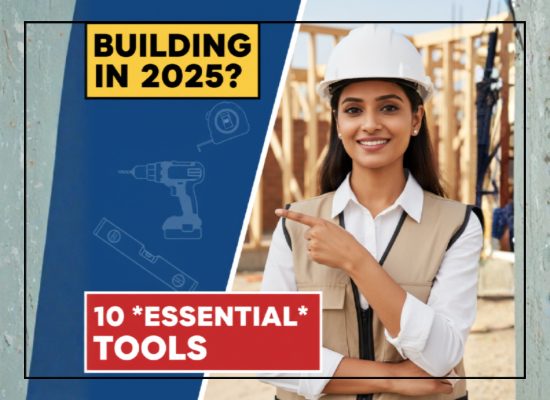

Building a house is one of the most exciting and challenging journeys you’ll ever take — whether it’s your dream home or a small investment property. But behind every strong wall, level floor, and beautiful finish lies something that often gets overlooked: the right construction tools.
Using proper tools doesn’t just make work easier; it saves time, improves accuracy, reduces labor costs, and ensures your structure is safe, durable, and aesthetically pleasing. In India, where climatic conditions, soil types, and architectural styles vary widely, choosing the right tools is even more crucial.
This 2025 Construction Tools Guide covers the Top 10 must-have tools for house construction in India, with expert insights, practical uses, and buying tips for both homeowners and small contractors.
🧭 Why Having the Right Tools Matters
Before diving into the list, let’s understand why tool selection is a game changer in the construction process:
- ✅ Saves Time: Work that takes 2–3 hours manually can be done in 20 minutes with proper tools.
- ✅ Improves Accuracy: A small measurement error can ruin foundation levels, wall alignment, or slab thickness.
- ✅ Reduces Costs: Fewer mistakes mean fewer repairs and less wasted material.
- ✅ Enhances Safety: Construction sites can be dangerous. Reliable tools minimize the chance of accidents.
- ✅ Delivers Quality: Proper tools ensure neat, professional finishes — whether it’s brickwork, plastering, or flooring.
🏗️ Top 10 Construction Tools in India — 2025 List
These are must-have tools for small to medium construction projects in India, selected based on utility, availability, cost-effectiveness, and ease of use.
🛠️ 1. Measuring Tape – The Foundation of Precision


📌 Why It’s Essential:
Every construction process begins with measurements — foundation layout, brickwork, beams, flooring, plumbing, and more. Even a 1-inch mistake can disturb the alignment of the entire structure.
🧰 Common Sizes:
- 5 meters (for interior or smaller tasks)
- 10 meters (most commonly used)
- 30 meters (for foundation & site layout work)
🏗️ Use Cases:
- Marking plinth beams
- Laying out rooms and walls
- Checking alignment of tiles and flooring
- Verifying furniture space during planning
💡 Pro Tip:
- Prefer steel measuring tapes over cloth tapes for better durability.
- Always double-check critical measurements with another worker for accuracy.
🛒 Cost Range:
₹150 – ₹700 depending on brand and length. Also Advanced and premium measuring devices are available at an additional premium cost.
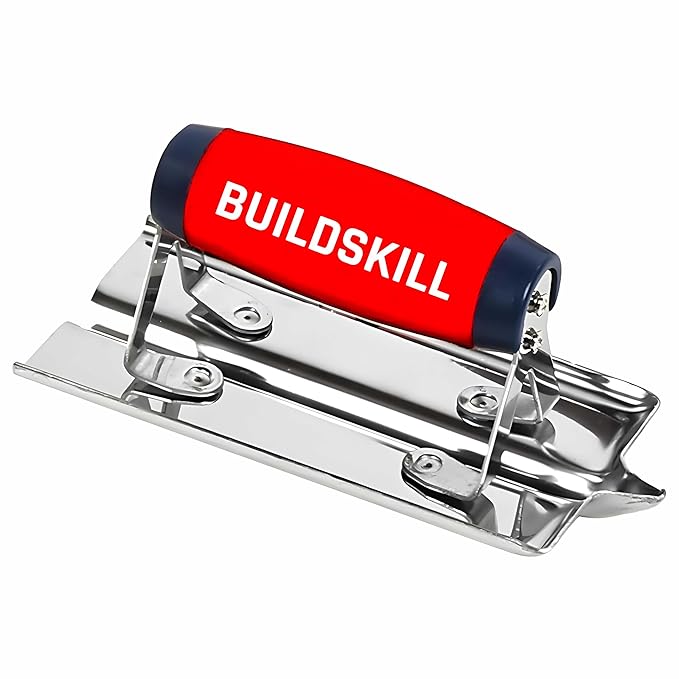
🔨 2. Mason’s Trowel – For Brickwork & Plastering


📌 Why It’s Essential:
The mason’s trowel is the most used hand tool on any Indian construction site. It’s used for applying and spreading mortar on bricks and walls with precision.
🧰 Types:
- Pointed trowel (most common)
- Rounded trowel (for smooth finishes)
- Square-end trowel (plastering large areas)
🏗️ Use Cases:
- Laying bricks evenly with mortar
- Plastering internal and external walls
- Applying cement slurry on floors
💡 Pro Tip:
- Keep your trowel edges clean to avoid uneven plaster.
- Choose a medium-sized handle for better grip.
🛒 Cost Range:
₹150 – ₹400
🧱 3. Spirit Level – For Perfect Alignment


📌 Why It’s Essential:
Even if the measurements are perfect, if your wall or beam is not level, the entire structure will look crooked. A spirit level ensures everything is straight — vertically and horizontally.
🧰 Types:
- Small (for brickwork)
- Medium (for walls & beams)
- Large (for slabs & RCC work)
🏗️ Use Cases:
- Checking wall alignment during masonry
- Ensuring floors are level before tiling
- Aligning door and window frames
💡 Pro Tip:
- Always check bubble positioning from both sides.
- Clean it regularly; cement dust can make the bubble less visible.
🛒 Cost Range:
₹200 – ₹1,200 (based on size and brand)
🪜 4. Ladder or Scaffolding – Safe Access at Heights



📌 Why It’s Essential:
Whether it’s laying bricks on the second floor, installing electrical conduits, or painting the ceiling — safe height access is non-negotiable.
🧰 Types:
- Steel scaffolding (common)
- Bamboo scaffolding (low cost, traditional)
- Aluminum ladders (lightweight and portable)
🏗️ Use Cases:
- Masonry work at higher levels
- Ceiling plastering or painting
- RCC slab shuttering support
💡 Pro Tip:
- Always ensure scaffolding is tied and supported from the base.
- Avoid bamboo scaffolding for permanent work — use metal for safety.
🛒 Cost Range:
Ladder: ₹2,000 – ₹8,000
Scaffolding: ₹100 – ₹250 per day (rental)
🪣 5. Buckets & Wheelbarrow – Easy Material Handling



📌 Why It’s Essential:
Carrying cement, sand, gravel, water, or mortar across the site can be time-consuming without the right tools. Buckets and wheelbarrows make transport faster and more efficient.
🧰 Types:
- Plastic buckets (lightweight, for water & cement slurry)
- Metal buckets (strong, for mortar & concrete)
- Single-wheel wheelbarrows (easy to maneuver)
- Double-wheel wheelbarrows (more stable for heavy loads)
🏗️ Use Cases:
- Transporting materials between mixing point and work area
- Carrying tools & waste
- Concrete pouring support
💡 Pro Tip:
- Always clean buckets after use — cement hardening can shorten their life.
- Grease wheelbarrow bearings weekly for smooth movement.
🛒 Cost Range:
Buckets: ₹100 – ₹400
Wheelbarrow: ₹2,000 – ₹5,000
🧰 6. Concrete Mixer – Fast & Consistent Mixing


📌 Why It’s Essential:
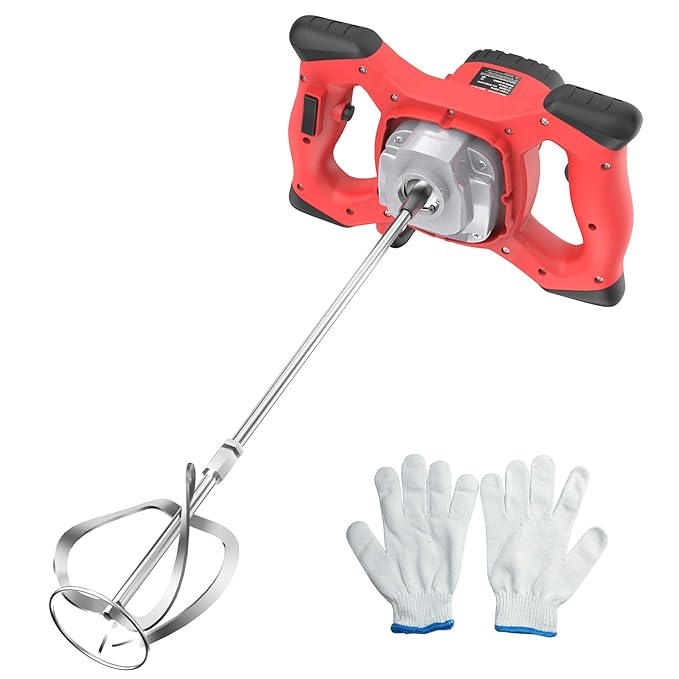
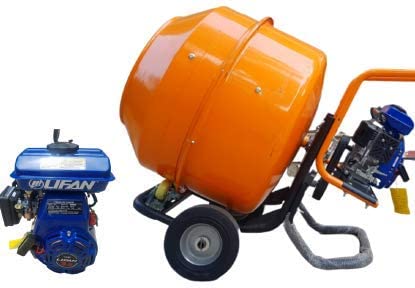
Manual mixing of cement, sand, and aggregate is time-consuming and often inconsistent. A concrete mixer provides a homogeneous mix, saving labor and ensuring strength.
🧰 Types:
- Manual drum mixer (for small sites)
- Electric mixer (faster & efficient)
- Hydraulic mixer (for large-scale work)
🏗️ Use Cases:
- Foundation concrete
- Column & beam RCC
- Slab casting
💡 Pro Tip:
- Clean the drum immediately after use to prevent hardening.
- Maintain correct water-cement ratio for strength.
🛒 Cost Range:
₹25,000 – ₹85,000 (purchase)
₹600 – ₹1,200 per day (rental)
🧱 7. Concrete Vibrator – For Solid Foundation


📌 Why It’s Essential:
After pouring concrete, air bubbles and gaps can weaken the structure. A concrete vibrator removes these voids, ensuring dense and strong concrete.
🧰 Types:
- Needle vibrator (common on small sites)
- Shutter vibrator (used on formwork)
- Surface vibrator (for flooring)
🏗️ Use Cases:
- RCC foundations
- Slabs, beams, and columns
- Concrete flooring
💡 Pro Tip:
- Do not over-vibrate — it can cause segregation.
- Always use clean, maintained needles for better performance.
🛒 Cost Range:
₹8,000 – ₹30,000 (purchase)
₹300 – ₹800 per day (rental)
🪚 8. Hammer & Chisel – Precision Shaping


📌 Why It’s Essential:
These simple hand tools are a backbone of finishing work — from shaping bricks to creating channels for electrical conduits.
🧰 Types:
- Claw hammer (for nails & fittings)
- Sledge hammer (heavy work)
- Cold chisel (breaking concrete or brick)
- Point chisel (detailed shaping)
🏗️ Use Cases:
- Brick cutting
- Removing unwanted concrete
- Creating openings for plumbing or electrical pipes
💡 Pro Tip:
- Always wear safety glasses while chiseling.
- Use proper hammer weight — not too heavy for precision work.
🛒 Cost Range:
₹200 – ₹1,000 (hammer)
₹100 – ₹500 (chisel)
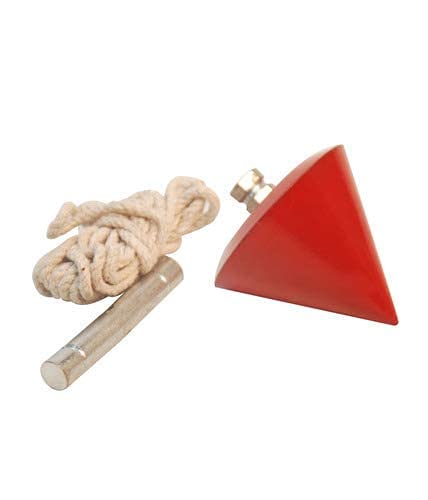
📏 9. Plumb Bob – Ensuring True Vertical Alignment



📌 Why It’s Essential:
While a spirit level checks horizontal alignment, a plumb bob ensures vertical accuracy — crucial for walls, columns, and door frames.
🧰 Types:
- Traditional brass plumb bob (common in India)
- Magnetic plumb bob (modern)
- Laser plumb bob (advanced)
🏗️ Use Cases:
- Checking wall alignment
- RCC column centering
- Tiling vertical surfaces
💡 Pro Tip:
- Check string length before starting work.
- Always hold the plumb steady for accurate readings.
🛒 Cost Range:
₹150 – ₹600
🦺 10. Safety Gear – Protecting Lives on Site


📌 Why It’s Essential:
A house can be rebuilt — a life cannot. Safety gear is often neglected on smaller sites, but it’s one of the most crucial “tools” of all.
🧰 Types:
- Helmets and safety shoes
- Gloves and goggles
- Reflective vests
- Ear protection & dust masks
- Safety harness for height work
🏗️ Use Cases:
- Every stage of construction
- Working at height or with power tools
- Concrete pouring and cutting
💡 Pro Tip:
- Ensure every laborer wears basic PPE daily.
- Conduct toolbox meetings every morning to reinforce safety.
🛒 Cost Range:
Full kit: ₹1,500 – ₹4,000 per person
🪄 Bonus Section: Expert Tips to Choose the Right Tools
1. ✅ Invest in Quality, Not Just Price
A slightly costlier tool can last years, while cheap ones can break within weeks. Look for strong build, brand reliability, and after-sales support.
2. 🧰 Choose the Right Size for the Job
For example, don’t use a 30-meter tape for tiling work or a heavy hammer for precision chiseling. The right size = better efficiency.
3. 🧼 Maintain Your Tools Regularly
- Clean after use
- Store in dry places
- Lubricate moving parts
- Check for wear and tear weekly
4. 🦺 Make Safety Non-Negotiable
Even if you’re doing a small job, wearing helmets, gloves, and goggles can prevent fatal accidents.
5. 🏗️ Rent for Big Equipment
For one-time work like concrete mixing or slab casting, renting machines saves huge costs. In India, most cities and towns have tool rental services.
🏡 Common Mistakes People Make in Tool Usage
- ❌ Using makeshift tools (e.g., wood instead of levelers).
- ❌ Skipping measurement checks.
- ❌ Poor tool maintenance.
- ❌ Ignoring safety gear.
- ❌ Not training workers properly on tool handling.
Expert Insight: A construction site with the right tools and trained workers can finish a project 20–30% faster with far better finishing.
📍 Where to Buy or Rent Construction Tools in India (2025)
- 🏪 Local hardware stores (good for hand tools)
- 🛒 Online platforms like IndiaMART, Amazon India, and Flipkart
- 🧰 Rental agencies in most tier-2 cities for concrete mixers, vibrators, and scaffolding
- 🏗️ Specialized construction equipment suppliers for bulk purchase
🏁 Final Words: Build Smart, Build Strong
“These essential construction tools are the backbone of every building site — whether it’s a small home on a 1000 sq. ft. plot or a luxury villa on a sprawling property. The right equipment not only speeds up the work but also ensures structural strength, better finishing, and worker safety.”
👉 Before you start your next project, keep this checklist handy, plan your budget for tool procurement or rental, and train your workers well.
📌 Quick Checklist: Top 10 Tools
| No. | Tool Name | Main Use | Average Cost (₹) |
|---|---|---|---|
| 1 | Measuring Tape | Accurate layout and markings | 150 – 700 |
| 2 | Mason’s Trowel | Spreading mortar, plastering | 150 – 400 |
| 3 | Spirit Level | Wall and floor alignment | 200 – 1200 |
| 4 | Ladder/Scaffolding | Safe height access | 100/day – 8000 |
| 5 | Buckets & Wheelbarrow | Material handling | 100 – 5000 |
| 6 | Concrete Mixer | Cement mixing | 600/day – 85000 |
| 7 | Concrete Vibrator | Removing air gaps in concrete | 300/day – 30000 |
| 8 | Hammer & Chisel | Brick cutting & shaping | 300 – 1000 |
| 9 | Plumb Bob | Vertical alignment | 150 – 600 |
| 10 | Safety Gear | Worker protection | 1500 – 4000 |