
Introduction
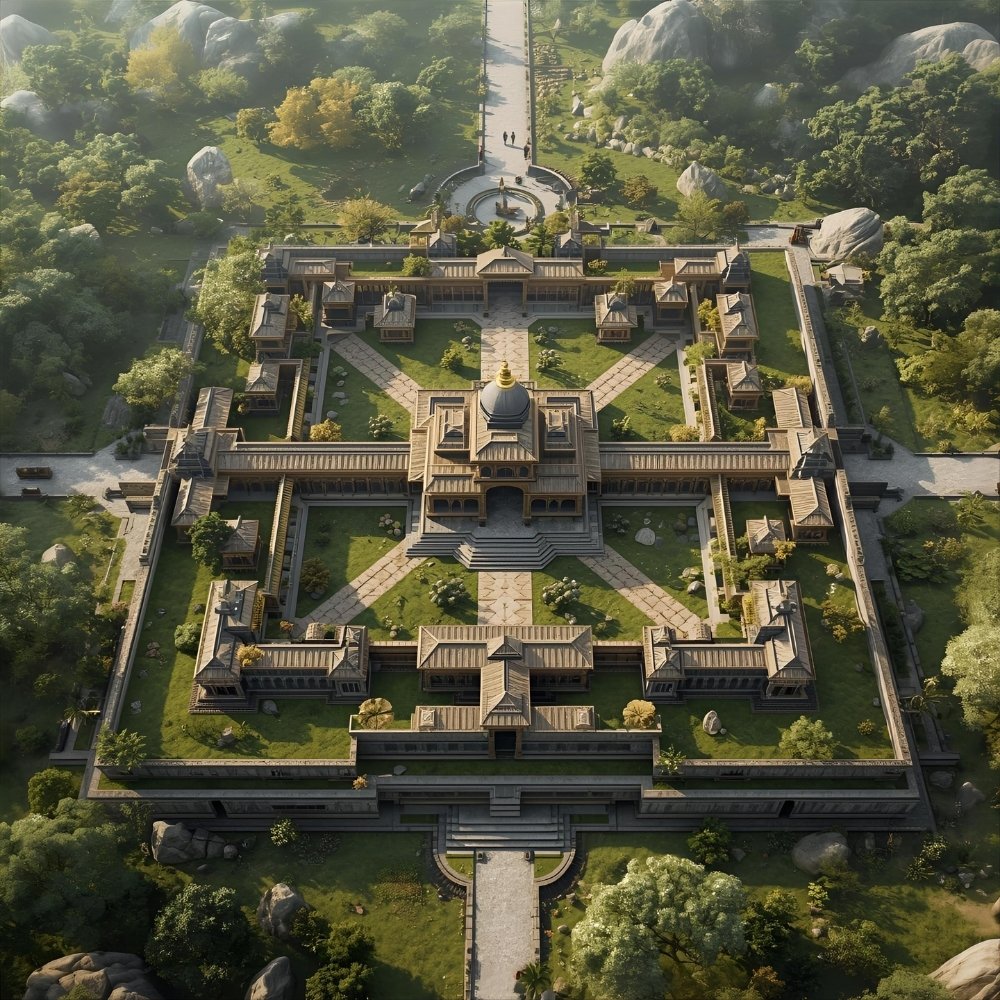
When we hear the word Vastu Shastra, most people imagine simple do’s and don’ts—“keep the kitchen in the southeast, never sleep with your head to the north,” and so on. But the true roots of Vastu Shastra are far deeper, rich with history, architecture, geometry, and a philosophy of living in harmony with nature.
Among the many Sanskrit treatises on architecture, one text shines with exceptional brilliance: Samarangana Sutradhara, authored by King Bhoja of Dhar (Madhya Pradesh) in the 11th century.
This remarkable text, spanning 83 chapters, covers not only the layout of homes and temples but also furniture design, sculptures, mechanics, and even early descriptions of flying machines. It is a true encyclopedia of architecture and human dwelling.
For modern Indian homeowners, Vastu Shastra for Modern Homes is especially those looking to build vastu-compliant houses or even redesign existing apartments, the principles of Samarangana Sutradhara can offer timeless wisdom. This blog will decode those ancient secrets and explain how they still apply today—whether you live in a metro city flat or are building a farmhouse on ancestral land.
📖 What is Samarangana Sutradhara?
- Author: King Bhoja of the Paramara dynasty, one of India’s most celebrated scholar-kings.
- Time Period: 11th century CE.
- Scope: Covers architecture, sculpture, vastu shastra, temple design, town planning, iconography, furniture, mechanical devices, rituals, and aesthetics.
- Length: 83 chapters, thousands of verses.
- Reputation: Alongside Manasara and Mayamata, it is considered among the most authoritative texts on Indian architecture.
King Bhoja’s work is unique because it combines theory with practical guidance. Unlike purely ritualistic texts, Samarangana gives clear instructions for construction, proportions, and spatial arrangements.
For modern readers, it serves as a bridge between ancient Indian wisdom and contemporary architectural challenges.
“Samarangana Sutradhara reminds us that the true strength of a home lies in balance—between light and shadow, space and form, tradition and modernity. A well-planned house becomes more than shelter; it becomes a source of peace and progress.”
🏠 Key Vastu Secrets for Modern Homes
1. Orientation of the House: Harnessing the Sun
According to Samarangana Sutradhara, the direction of a house is the foundation of its energy.
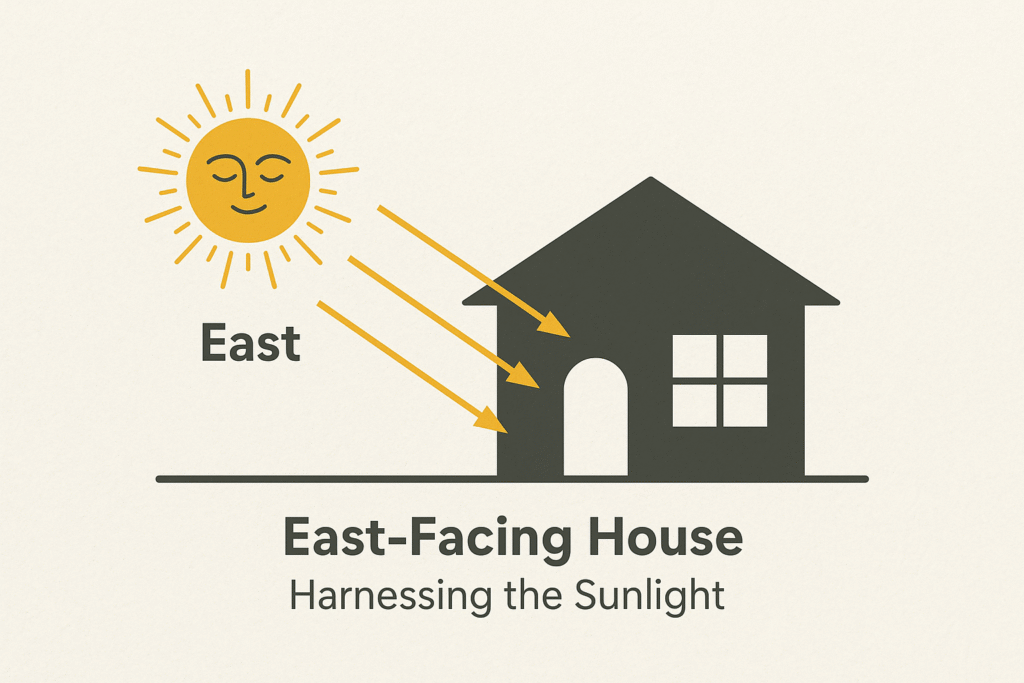
- East-facing entrances are considered most auspicious since they welcome the rising sun.
- North entrances are also favorable, linked with prosperity and growth.
- South and West entrances are generally avoided but can be corrected with certain architectural adjustments.
👉 Modern Tip: In Indian cities, plot directions may be fixed. If your main door isn’t east-facing, ensure that your living room and windows face east to allow in the morning sunlight. Sunlight not only improves health but also saves electricity by reducing dependency on artificial lighting.
2. Room Placement and Panchabhutas (Five Elements)
The text emphasizes balancing the five natural elements (Earth, Water, Fire, Air, Space) in home design.
- Kitchen (Agni – Fire): Southeast corner, where fire element is strong.
- Bedroom (Prithvi – Earth): Southwest, symbolizing stability and rest.
- Puja/Study (Ishanya – Space): Northeast, considered divine and pure.
- Bathroom/Toilet (Vayu – Air): Northwest, associated with movement and cleansing.
- Living Room (Jala – Water/Air blend): East or North, promoting social harmony.
👉 Modern Tip: Even in a flat where you can’t redesign the layout, you can align stove position, bed orientation, and puja space according to these rules.
3. Proportions and Symmetry: The Science of Balance
King Bhoja stresses precise proportions—every room, doorway, and window must follow measured ratios. A home that is too long, irregular, or asymmetrical causes imbalance.
- Square or rectangular houses are preferred.
- Central courtyards allow light, ventilation, and energy balance.
- Symmetry brings visual and psychological harmony.
👉 Modern Tip: Avoid irregular “L-shaped” flats if possible. If already purchased, use partitions or design elements to “complete” the missing corners.
4. Sacred Spaces: Creating Positive Energy
Bhoja devotes special attention to sacred architecture, especially temples, but he also insists every home should have a dedicated spiritual corner.
The Northeast corner (Ishanya) should house a prayer space.
This area must be clutter-free, well-lit, and peaceful.
👉 Modern Tip: Even a small shelf in a 1BHK flat can serve as a puja corner if kept clean and used with intention.
5. Integration with Nature
King Bhoja’s text emphasizes that homes should breathe with nature.
Houses must include gardens, water tanks, and open courtyards.
Natural building materials like wood, clay, and stone are recommended.
Orientation should maximize natural light and cross-ventilation.
👉 Modern Tip: In cities, use balcony gardens, rooftop plants, and indoor greenery to bring nature inside. Small water fountains or aquariums can balance energy.
🌿 Why Indian Homeowners Should Care
In today’s world of high-rise apartments, air conditioning, and artificial lighting, we often lose connection with natural energy. By applying these ancient guidelines:
- Health improves due to sunlight and ventilation.
- Harmony in family life comes from balanced spaces.
- Prosperity flows when home aligns with positive energies.
- Stress reduces because symmetry and order calm the mind.
In short, Vastu is not superstition—it is applied environmental science tailored for Indian conditions.
| Element | Ideal Direction | Modern Application |
| Entrance | East/North | Main door or window facing this side |
| Kitchen | Southeast | Stove in SE corner |
| Bedroom | Southwest | Master bedroom here for stability |
| Puja/Study | Northeast | Prayer or study space |
| Living Room | North/East | Maximise light and airflow |
| Bathroom | Northwest | Place toilets in NW area if possible |
🙋 Frequently Asked Questions
Q1. Can I follow Samarangana Sutradhara in an apartment?
Yes! Even if structural layout is fixed, you can apply vastu by choosing room functions, furniture placement, and interior adjustments.
Q2. Is it necessary to follow Vastu 100%?
Not always. The key is balance. Even small corrections like adding sunlight, decluttering, and proper bed orientation make a big difference.
Q3. Does following Vastu really bring wealth and peace?
Vastu aligns your home with natural energy cycles. When your surroundings are balanced, it naturally improves health, relationships, and finances.