
Disclaimer: This blog blends authentic references from classical Vastu texts with modern interpretations, clearly distinguishing between the two.
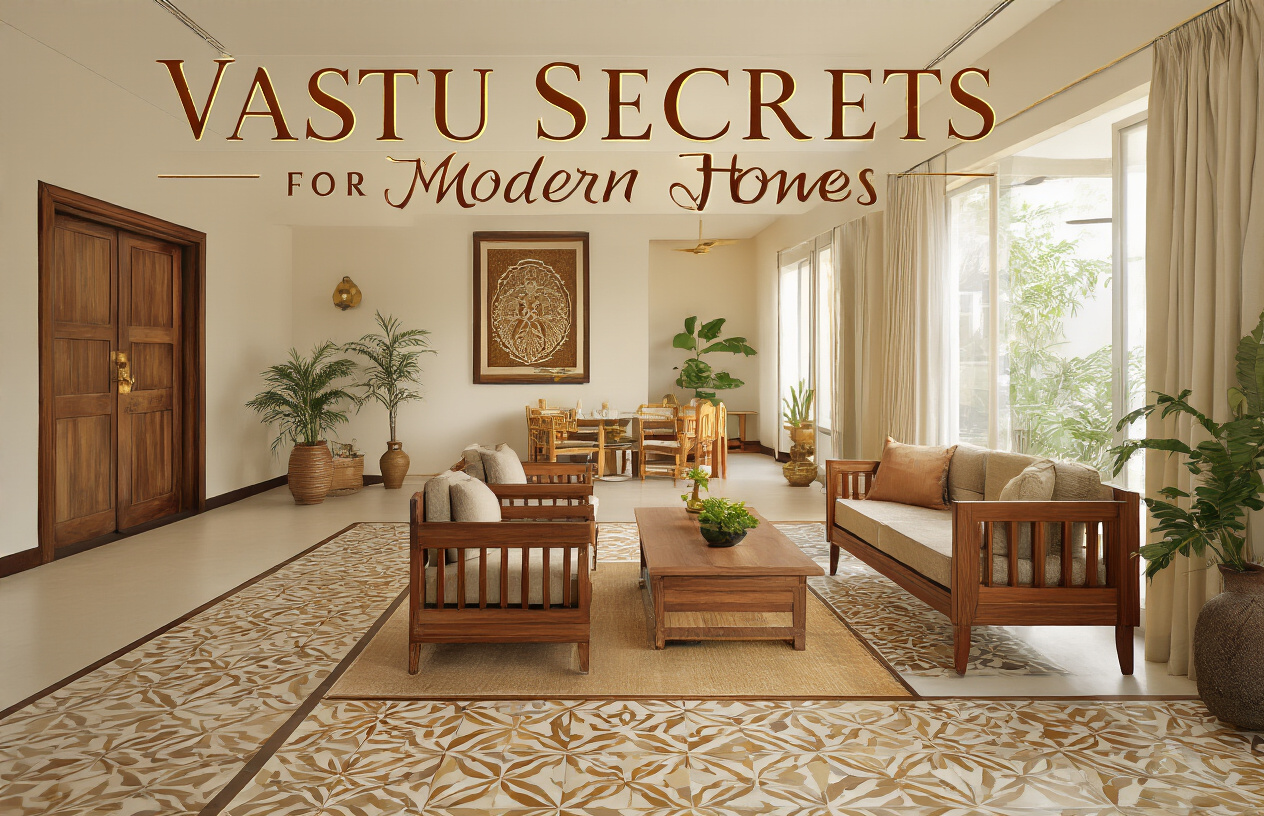
Modern Indian homeowners are again looking to Vastu Shastra for inspiration in designing harmonious homes. Among the classical texts, the Samarangana Sutradhara, composed in the 11th century under King Bhoja, is an important reference with some other books like Manasara, Shilp shastra, Mayamatam. While all was written in a different cultural context, many of its principles — like spatial harmony, proportion, and orientation — can still inform design when adapted carefully.
If you’re a homeowner, interior designer, or architect looking to blend traditional wisdom with modern living, these Vastu principles can transform your space into a harmonious sanctuary. The ancient text provides detailed ancient Indian architecture guidelines that work beautifully in urban settings without compromising style or functionality.
This article explores how directional guidelines from this tradition were understood historically, and how they can be interpreted for modern homes. Rather than promising mystical ‘energy flow,’ we focus on cultural symbolism, spatial balance, and practical benefits like light, ventilation, and openness.
We’ll also dive into the fascinating world of sacred geometry in home design, showing you how ancient proportions and measurements can create more harmonious floor plans. Finally, you’ll learn about Vastu colors and materials selections that honor traditional principles while keeping your home thoroughly modern and stylish.
Understanding Samarangana Sutradhara’s Ancient Wisdom for Contemporary Living
Historical significance of this 11th-century architectural treatise
The Samarangana Sutradhara stands as one of India’s most comprehensive architectural manuscripts, compiled by King Bhoja of Malwa around 1000-1055 CE. This remarkable text bridges the gap between spiritual philosophy and practical construction, offering detailed guidelines that shaped temple architecture and residential planning for centuries.
Written during the height of medieval Indian civilization, this treatise emerged when architectural knowledge was considered sacred wisdom, passed down through generations of master builders called Sthapatis. The text encompasses 83 chapters covering everything from site selection to intricate decorative elements, making it far more than just a construction manual—it’s a complete philosophy of creating harmonious living spaces.
What makes this ancient document particularly valuable for Vastu Shastra for modern homes is its systematic approach to spatial planning. Unlike other classical texts that focus primarily on religious structures, the Samarangana Sutradhara dedicates substantial sections to residential architecture, providing detailed measurements, proportions, and directional guidelines that homeowners can adapt today.
The manuscript’s influence extended across the Indian subcontinent, with regional variations appearing in different kingdoms. Its principles shaped the iconic architectural styles we see in Rajasthan, Gujarat, and Central India, demonstrating the practical application of ancient Indian architecture guidelines in diverse climatic and cultural contexts.
Key principles that remain relevant for modern home design
The core Samarangana Sutradhara Vastu principles revolve around creating buildings that work in harmony with natural forces and cosmic energies. The text emphasizes the concept of Vastu Purusha Mandala—a sacred grid that divides any plot into specific zones, each governed by different deities and energies.
(The intent was to symbolically align the home with cosmic principles, though this should be read as cultural philosophy rather than scientific fact.)
Direction and Energy Flow: The treatise establishes that each cardinal direction carries unique qualities. East brings prosperity and health, while north attracts wealth and opportunities. South and west require careful handling to prevent negative influences. Modern homeowners can apply these principles by positioning main entrances, bedrooms, and work areas according to these ancient guidelines.
In Vastu tradition, each direction is given symbolic associations: East is linked with the rising sun and renewal, North with Kubera (the deity of wealth), South with Yama (strength and discipline), and West with Varuna (stability). These are symbolic cultural associations, not scientifically proven effects.
Proportional Harmony: The text introduces the concept of Tala measurements—a modular system ensuring perfect proportions throughout the structure. This principle translates beautifully to contemporary homes, where maintaining consistent proportions creates visual balance and positive energy flow.
Natural Element Integration: Long before modern sustainable design became popular, the Samarangana Sutradhara emphasized working with natural elements. The text provides detailed guidance on water placement, ventilation patterns, and solar orientation—principles that align perfectly with today’s green building practices.
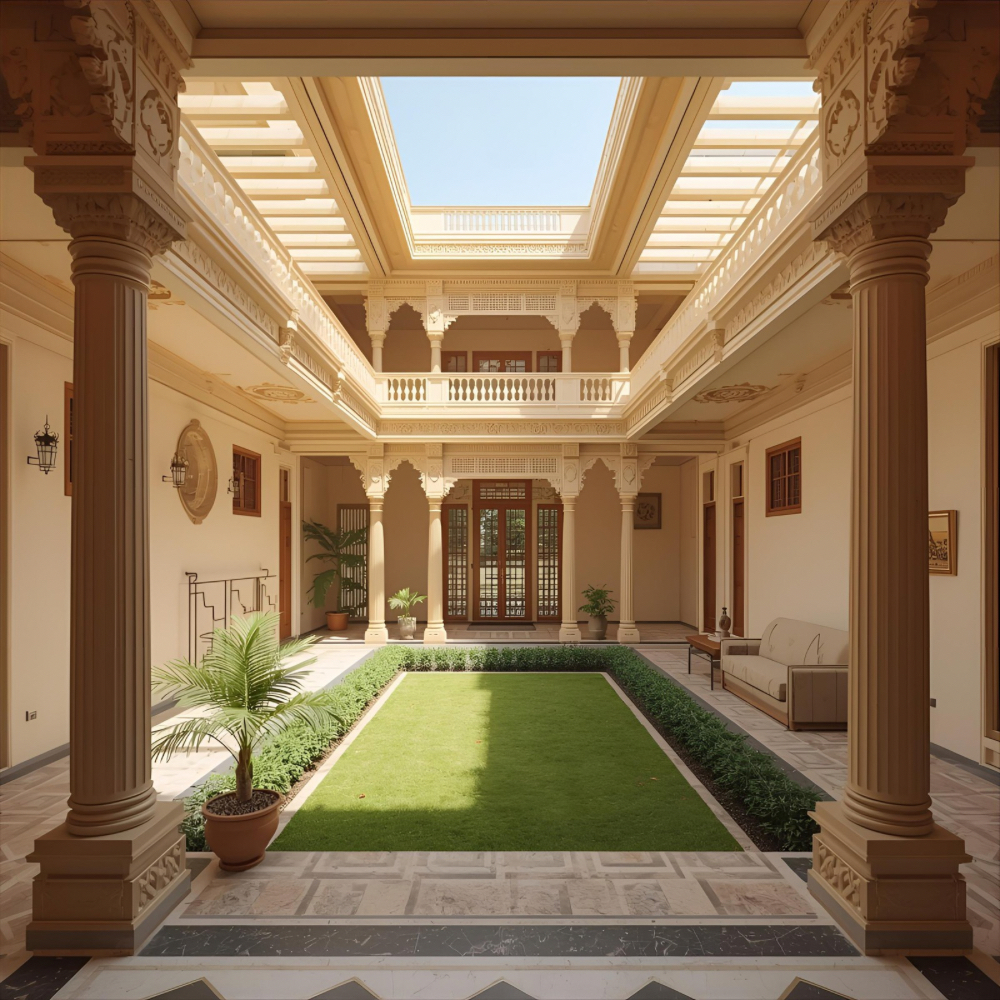
Spatial Hierarchy: The treatise establishes clear hierarchies for different spaces, with the central area (Brahmasthana) kept open and unobstructed. This concept works exceptionally well in Vastu tips for contemporary houses, where open floor plans and central courtyards create positive energy circulation.
How ancient measurements translate to today’s construction standards
Converting ancient measurements to modern construction standards requires understanding the traditional Indian measurement system outlined in the Samarangana Sutradhara. The text uses Angula (finger width) as the basic unit, with larger measurements built systematically from this foundation.
| Ancient Unit | Approximate Modern Equivalent | Common Applications |
|---|---|---|
| 1 Angula | 1.5 cm – 2 cm | Fine details, decorative elements |
| 1 Vitasti | 20cm – 25 cm | Door frame thickness, step heights |
| 1 Hasta | 45 cm – 50 cm | Room proportions, ceiling heights |
| 1 Danda | 180 cm – 200 cm | Room dimensions, corridor widths |
Room Sizing Guidelines: The text specifies that residential rooms should measure between 8-16 Hastas in each direction. Translating this to modern terms, ideal room sizes range from 12-24 feet, which aligns remarkably well with contemporary space planning standards.
Ceiling Height Calculations: Ancient texts recommend ceiling heights of 10-12 Hastas (15-18 feet) for main living areas. While modern homes typically use 9-10 feet, incorporating higher ceilings in central areas following these proportions creates the spacious, elevated feeling that traditional Indian home planning emphasizes.
Door and Window Proportions: The Samarangana Sutradhara provides specific ratios for openings—doors should be twice as tall as they are wide, while windows maintain a 3:2 height-to-width ratio. These proportions remain aesthetically pleasing and functionally effective in contemporary construction.
Plot Division Methodology: The ancient Pada system divides plots into grids of 64 or 81 squares, with specific functions assigned to each zone. Modern architects can adapt this by creating zones for different activities—living, sleeping, cooking, and utility areas—following the same spatial logic that has proven effective for over a millennium.
Essential Directional Guidelines for Optimal Energy Flow

North-facing entrances for prosperity and career growth
The Samarangana Sutradhara emphasizes the magnetic properties of the north direction, governed by Kubera, the deity of wealth and prosperity. Vastu Shastra for modern homes recognizes north-facing entrances as powerful energy portals that channel cosmic forces directly into living spaces.
North entrances align with the earth’s magnetic field, creating a natural flow of positive energy that supports financial growth and career advancement. The ancient text describes this direction as “Dhana-mukha” – the face of wealth – making it particularly beneficial for professionals and business owners seeking expansion.
When designing north-facing entrances, maintain clear pathways without obstructions like pillars or decorative elements that might deflect incoming energy. The door should open inward to welcome prosperity, and the entrance area should remain well-lit with natural light during daytime hours. Avoid placing heavy furniture or storage units directly opposite the main door, as this can block the smooth flow of beneficial energies.
Traditional Indian home planning suggests keeping the north entrance slightly elevated compared to the south side of the property. This subtle gradient helps maintain the natural energy flow prescribed in classical texts. Paint the entrance door in auspicious colors like light blue, white, or soft green to enhance the prosperity-attracting qualities of the north direction.
Strategic placement of kitchen in southeast corner for health
The southeast corner, known as “Agneya” in ancient Indian architecture guidelines, represents the fire element and serves as the ideal location for kitchen placement. The Samarangana Sutradhara details how this positioning harmonizes with natural fire energies, promoting digestive health and family vitality.
Placing the kitchen in the southeast corner ensures that cooking activities align with the sun’s path, providing natural light during morning meal preparation. This arrangement supports circadian rhythms and creates a healthier cooking environment. The fire element in this direction enhances the digestive properties of food, making meals more nourishing for family members.
Vastu tips for contemporary houses recommend positioning the cooking range along the east or north walls within the southeast kitchen. This placement allows the cook to face east while preparing meals, which ancient texts associate with improved food quality and positive energy infusion. Avoid placing the kitchen sink directly opposite the cooking area, as this creates a conflict between fire and water elements.
Modern adaptations include ensuring proper ventilation in southeast kitchens, as this direction tends to accumulate heat. Install windows on the east and north walls to maintain air circulation while preserving the beneficial fire energy. Keep the kitchen entrance away from the main door to prevent cooking odors from spreading throughout the house.
Master bedroom positioning in southwest for stability
The southwest corner, ruled by the earth element and associated with Rahu, provides the strongest foundational energy for rest and relationship stability. Directional guidelines Vastu Shastra principles from Samarangana Sutradhara identify this location as ideal for the master bedroom due to its grounding properties.
Southwest bedroom positioning enhances marital harmony and provides deep, restorative sleep. The earth element’s stable nature supports long-term relationships and financial security. Ancient texts describe this corner as “Nairutya,” representing strength and endurance – qualities that benefit the household’s primary occupants.
Within the southwest master bedroom, position the bed so that heads point toward the south or west walls. This alignment with the earth’s magnetic field promotes better sleep quality and reduces stress levels. Avoid placing mirrors directly opposite the bed, as they can disturb the room’s peaceful energy according to classical Vastu principles.
The master bedroom should occupy the largest space in the southwest section, with attached bathrooms positioned in the west or northwest portions. Keep electronic devices minimal in this room to maintain the natural earth energy that supports relationship stability and peaceful rest.
Bathroom locations that prevent energy drain
Strategic bathroom placement prevents the loss of positive energy while maintaining household hygiene standards. Urban Vastu solutions from traditional texts recommend specific locations that minimize energy drainage while supporting modern living requirements.
The northwest corner serves as the optimal location for main bathrooms, as this direction naturally supports the elimination of waste and negative energies. This positioning aligns with wind patterns and prevents stagnant energy accumulation. Additional bathrooms can be placed in the west or south directions, but avoid the northeast, southeast, and center areas of the home.
Bathroom doors should remain closed when not in use to prevent energy from draining into other living areas. Install exhaust fans facing west or northwest to direct used air away from the house’s energy centers. Keep bathroom fixtures like toilets and drainage systems away from shared walls with the kitchen or prayer rooms.
Modern bathroom design should incorporate natural ventilation wherever possible. Windows in the west or northwest walls help maintain air circulation while preventing moisture buildup that can create negative energy pockets. Use light, neutral colors for bathroom tiles and fixtures to maintain energetic balance without creating visual heaviness in these spaces.
Room-Specific Vastu Applications from Classical Texts
Living Room Arrangements for Harmonious Family Relationships
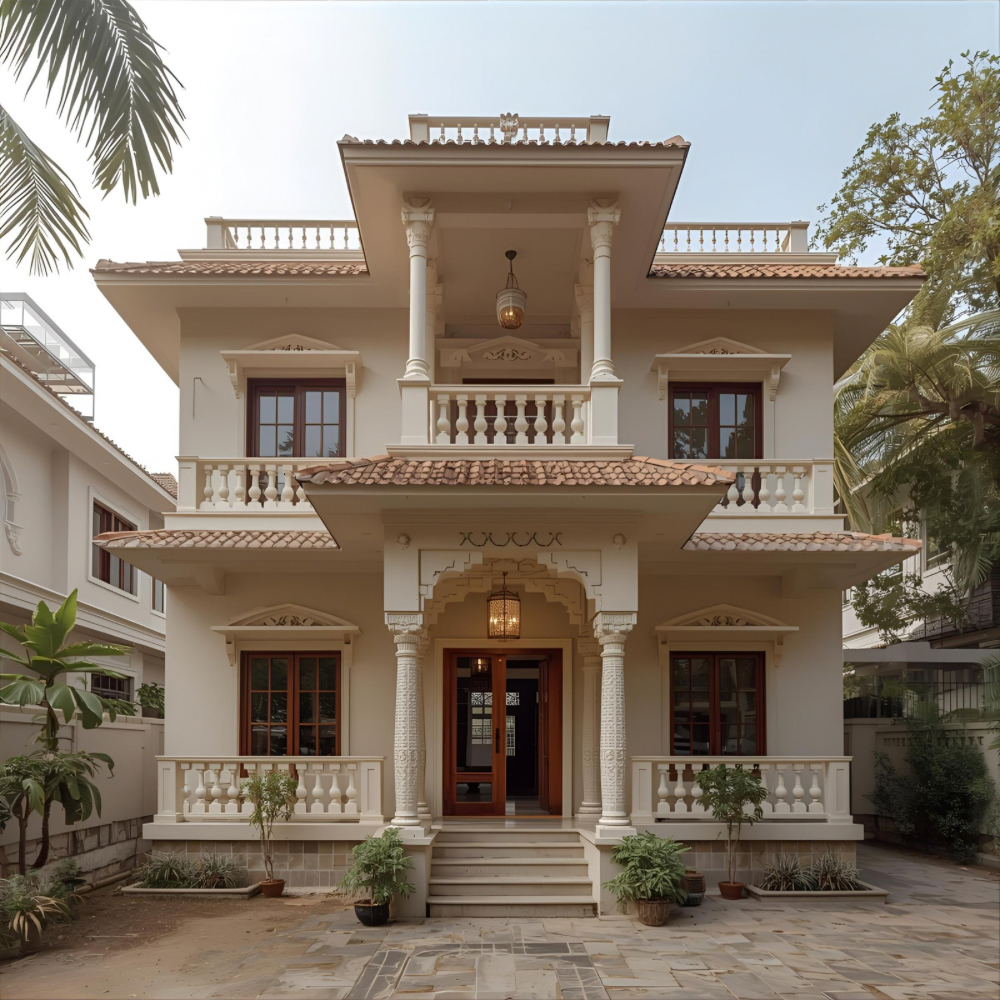
The Samarangana Sutradhara highlights the living room as the core of family bonding, where the flow of positive energy shapes relationships. It recommends placing the main seating in the south or west part of the room, so that family members face north or east during gatherings. This alignment is believed to attract favourable energies and foster harmonious interactions.
Place the heaviest furniture, like sofas or entertainment centers, along the south or west walls. The ancient texts specifically recommend keeping the northeast corner light and unobstructed – this sacred zone should house plants or a small water feature to maintain energy flow. Avoid placing television sets in the northeast, as electronic devices can disrupt the subtle energies described in classical Vastu principles.
Create a focal point using traditional elements: display family photographs on the south wall, as this direction governs family bonds according to Vastu Shastra for modern homes. The ceiling height should ideally be higher in the north and east sections, sloping gently toward the south and west if architectural modifications are possible.
Color selection plays a crucial role in living room harmony. Light yellow, cream, or soft green on walls promote positive family interactions, while darker shades should be reserved for accent pieces placed in southern or western zones. Avoid red or black as dominant colors, as these can create tension among family members.
Study and Workspace Optimization for Enhanced Productivity
Transform your home office or study area using Samarangana Sutradhara’s precise guidelines for mental clarity and focus. Position your desk in the room’s southwest corner, ensuring you face north or east while working. This directional alignment enhances concentration and decision-making abilities, as documented in ancient Indian architecture guidelines.
The study room’s entrance should ideally be in the north, east, or northeast direction. If your current setup doesn’t allow this, compensate by keeping the doorway well-lit and placing a small mirror on the door’s inner side to redirect energy flow. Natural light should enter from the north or east windows, reducing eye strain and maintaining alertness throughout long work sessions.
Storage solutions require strategic placement according to traditional principles. Heavy books, files, and reference materials belong on south or west walls, while the north and east sections should remain relatively open. Install floating shelves rather than closed cabinets on northern walls to maintain lightness in this crucial direction.
Workspace colors significantly impact productivity levels. Soft blue or green shades enhance mental clarity, while cream or light yellow walls promote creative thinking. Avoid dark colors in study areas, as they can create mental heaviness and reduce motivation. Include a small plant on your desk’s northeast corner to maintain fresh energy circulation.
Children’s Bedroom Setup for Academic Success and Good Health
Children’s bedrooms require special attention according to room-specific Vastu applications, as developing minds are particularly sensitive to environmental energies. Position the bed in the room’s southwest area, with your child’s head pointing south or east while sleeping. This orientation promotes restful sleep and supports healthy growth patterns.
Study areas within children’s rooms should occupy the northeast or east sections, where morning sunlight naturally energizes learning activities. Place the study table so your child faces north or east while doing homework, following the same principles outlined in classical texts for optimal concentration.
Storage and play areas work best in the room’s western or southern sections. Toys, games, and casual furniture can occupy these zones without disrupting the subtle energy patterns that support academic performance. Keep heavy items like wardrobes or toy chests along south or west walls.
Color psychology becomes especially important in children’s spaces. Light blue promotes calm focus for studying, while soft yellow encourages creativity and positive thinking. Green shades support overall health and well-being. Avoid overly bright or dark colors that might overstimulate young minds or create restless sleep patterns.
Lighting arrangements should provide adequate brightness for reading and homework in the northeast study corner, while creating a softer, calmer atmosphere around the sleeping area. Natural ventilation from north or east windows supports healthy air circulation, contributing to both physical wellness and mental clarity according to ancient Vastu principles adapted for contemporary living spaces.
Sacred Geometry and Proportions for Modern Floor Plans

Golden Ratio Applications in Room Dimensions
The concept of the golden ratio (1:1.618), often referred to as “Swarna Anupat” in Sanskrit, is frequently associated with creating harmonious and aesthetically pleasing living spaces. While modern interpretations of Vastu Shastra highlight the use of this divine proportion to achieve balanced architectural designs, it is important to clarify that the original Vastu Shastra texts do not explicitly mention or prescribe the golden ratio. These associations are contemporary interpretations aimed at enhancing aesthetic appeal rather than directives from ancient Vastu Shastra manuscripts.
When designing bedrooms using golden ratio principles, aim for dimensions where length relates to width in this sacred proportion. A 12×19.4 foot master bedroom exemplifies this concept perfectly. Living rooms benefit enormously from these proportions – a 16×26 foot space creates an environment where energy flows smoothly and inhabitants feel at ease.
Height calculations follow similar principles. Ceilings should maintain proportional relationships with floor dimensions. For a room measuring 15×24 feet, the ideal ceiling height would be approximately 12 feet, creating a cube-like harmony that ancient texts describe as promoting mental clarity and emotional stability.
Some modern interpreters suggest rooms between 8–16 Hastas (about 12–24 feet). However, the original text emphasizes proportional harmony more than fixed dimensions. The key is that rooms feel balanced with the overall plan rather than rigidly following one measurement.
| Room Type | Ideal Golden Ratio Dimensions | Energy Benefits |
|---|---|---|
| Master Bedroom | 12′ × 19.4′ | Enhanced rest and relationship harmony |
| Living Room | 16′ × 26′ | Improved social interactions and family bonding |
| Study Room | 10′ × 16.2′ | Better concentration and learning |
Mandala-Based Layouts for Balanced Energy Distribution
Mandala principles from Samarangana Sutradhara transform modern floor plans into energy-efficient sanctuaries. The traditional Vastu Purusha Mandala divides space into 81 or 64 squares, each serving specific functions that align with cosmic energies.
Central spaces hold paramount importance in mandala-based designs. Keep the Brahmasthan – the central area of your home – open and uncluttered. This zone should remain free from heavy furniture, pillars, or staircases. Modern homes can achieve this by creating open-plan living areas or installing skylights that draw natural light into the center.
The eight directional zones surrounding the center each govern different life aspects. Northeast corners house prayer rooms or study areas, while southeast zones accommodate kitchens. Southwest areas work perfectly for master bedrooms, and northwest sections suit guest rooms or storage.
Room placement follows concentric patterns radiating outward from the center. Main living areas occupy the middle ring, bedrooms and private spaces form the outer ring, and utility areas like bathrooms and storage find their place in transitional zones. This creates a natural hierarchy that supports both privacy and social interaction.
Proper Courtyard Integration in Apartment Designs
Even compact urban apartments can incorporate courtyard principles through creative design solutions. Internal courtyards – or “Antah Agni” – bring natural light and ventilation into the heart of living spaces while maintaining the sacred geometry prescribed in ancient texts.
Mini courtyards work wonders in studio apartments. A 4×4 foot internal courtyard with a skylight or glass ceiling creates the energy circulation that larger homes achieve through traditional courtyards. Position this space slightly off-center toward the northeast for maximum benefit.
Shared courtyards in apartment complexes should follow community Vastu principles. These spaces benefit all residents when designed with proper proportions and directional alignment. Water features in the northeast corner of communal courtyards enhance prosperity for the entire building.
Vertical courtyards – light wells that extend through multiple floors – bring ancient wisdom into high-rise living. These spaces channel energy upward while providing natural illumination to interior rooms. Plants and water elements within these vertical courts multiply their positive effects.
Balcony and Terrace Positioning for Maximum Benefits
Balconies serve as transitional spaces between internal and external energies, requiring careful positioning based on Samarangana Sutradhara guidelines. Northeast balconies capture morning sunlight and promote health, while west-facing balconies should include adequate shade protection.
East-facing balconies excel for morning meditation or yoga practice. The gentle morning sun energizes these spaces without creating excessive heat. Install light-colored flooring and include plants that thrive in moderate sunlight.
Rooftop terraces offer tremendous potential for Vastu enhancement. Position seating areas in the southwest portion of terraces while keeping northeast sections open or decorated with water features. Terrace gardens following directional plant placement create healing environments that benefit the entire household.
Multi-level balconies should maintain proportional relationships with the main structure. Each level should measure approximately one-third the width of adjacent interior rooms. This creates visual harmony while ensuring proper energy flow between indoor and outdoor spaces.
Color Schemes and Material Choices Based on Ancient Principles

Direction-specific color recommendations for each room
The Samarangana Sutradhara is an ancient treatise that offers comprehensive insights into architecture, city planning, and construction techniques. While it elaborates on structural designs and spatial arrangements, it does not provide specific guidance on how colours affect energy patterns based on directional placement. For advice on colour schemes related to directions, concepts from Vastu Shastra may be more relevant. For example, light blues and greens are often recommended for east-facing rooms, as they harmonise with natural elements and promote mental clarity and fresh beginnings—ideal for bedrooms or study spaces.
Kitchens positioned in the southeast benefit from warm oranges and reds, as this direction is governed by Agni (fire element). These colors enhance the natural fire energy needed for cooking while maintaining the digestive fire within inhabitants. Yellow accents can be added to balance the intensity and promote appetite.
West-facing rooms should embrace earthy tones like beige, cream, and soft browns. Since this direction connects to the earth element and represents stability, these neutral colors ground the space while allowing the evening light to create warmth without overwhelming the senses.
Northern rooms, associated with Kubera (the deity of wealth), respond well to light greens and blues. These colors support the water element that governs this direction and encourage prosperity and career growth. Avoid dark or heavy colors in north-facing spaces as they can block the flow of opportunities.
| Direction | Primary Colors | Accent Colors | Avoid |
|---|---|---|---|
| East | Light blue, green | White, cream | Dark red, black |
| Southeast | Orange, red | Yellow | Blue, black |
| West | Beige, cream, brown | Gold | Green, blue |
| North | Light green, blue | Silver | Dark colors |
Natural materials that enhance positive vibrations
Natural materials carry the life force energy that synthetic alternatives simply cannot replicate. Wood remains the most versatile choice, with different types serving specific purposes. Teak and sandalwood enhance spiritual vibrations, making them ideal for prayer rooms or meditation spaces. Bamboo, with its hollow structure, allows energy to flow freely and works wonderfully for furniture in eastern or northern areas.
Cotton and silk fabrics maintain the natural energy flow in living spaces. Cotton breathes well and doesn’t trap negative energy, while silk has been traditionally used in Indian homes for its ability to attract positive vibrations. Avoid synthetic fabrics in bedrooms and prayer areas as they can create electromagnetic interference.
Natural stone tiles like marble and granite connect the home to earth energy. Marble, being cool by nature, works well in southern areas where it can balance the intense fire energy. Granite provides grounding and stability, perfect for flooring in western sections of the home.
Clay and terracotta items like pots and decorative pieces help maintain humidity levels naturally while adding earth element energy to spaces. These materials are particularly beneficial in areas where you want to enhance stability and nurturing energy.
Metal and stone selections according to elemental balance
Each metal carries specific energetic properties that align with different elements and directions. Copper, sacred in Vastu Shastra for modern homes, enhances the fire element and works brilliantly in southeast kitchens. Copper vessels and decorative items can boost the digestive fire and overall vitality of the household.
Silver corresponds to the moon and water element, making it perfect for north and northeast areas. Silver frames, bowls, or decorative items in these directions can enhance intuition and emotional balance. Many families place silver items near their water sources to purify and energize the water.
Brass, an alloy of copper and zinc, balances multiple elements and can be used throughout the home. Brass lamps, door handles, and decorative pieces add warmth while maintaining elemental harmony. The metal’s golden hue also attracts prosperity energy.
Iron should be used carefully and primarily in the south or southwest directions where its strong earth energy supports stability and protection. Avoid iron in bedrooms or northeast areas as it can create excessive yang energy.
For stones, crystal quartz amplifies positive energy in any direction, while amethyst in the southwest bedroom promotes peaceful sleep. Rose quartz in relationship corners (southwest) enhances love and harmony between partners.
Lighting solutions that support Vastu compliance
Natural light remains the most powerful energy enhancer in any home. Position mirrors strategically to reflect morning sunlight from east-facing windows throughout the living areas. This practice, recommended in ancient texts, multiplies the positive solar energy and reduces dependence on artificial lighting during day hours.
Evening lighting requires careful planning to maintain energy balance. Warm LED lights in living areas create a cozy atmosphere without disrupting the natural circadian rhythms. Cool white lights work better in study areas and kitchens where clarity and alertness are needed.
Salt lamps placed in the southwest corner can ground excessive energy while creating a warm, amber glow that promotes relaxation. These natural ionizers also help purify the air, supporting both physical and energetic health.
Avoid harsh fluorescent lighting in bedrooms and dining areas as it can create restless energy and affect digestion. Instead, use multiple smaller light sources that can be dimmed according to the time of day and activity level.
Candles and oil lamps, when used safely, connect the home to the sacred fire element. Weekly lighting of brass oil lamps in the northeast corner honors the ancient traditions while bringing spiritual light into modern living spaces.
Practical Solutions for Common Vastu Challenges in Urban Homes

Remedies for Unavoidable Structural Limitations
Modern urban homes often come with fixed structural elements that seemingly clash with traditional Vastu principles. Slanted walls, beams running across rooms, or bathrooms in the northeast corner don’t have to spell doom for your home’s energy flow.
When dealing with overhead beams, the ancient texts suggest creating visual barriers using fabric canopies or false ceilings. A simple remedy involves hanging crystal prisms or wind chimes beneath beams to disperse heavy energy. For homes with irregular shapes, strategic placement of mirrors can create the illusion of balanced proportions while redirecting energy flow.
Toilets in inauspicious directions present common challenges in apartments. Place a bowl of sea salt in the bathroom, changing it weekly, to absorb negative energy. Installing an exhaust fan ensures proper ventilation, while keeping the toilet lid closed and door shut maintains energy boundaries. Vastu pyramids placed in corners can also help neutralize unfavorable energy patterns.
For homes facing south or southwest – typically considered less favorable – enhance the entrance with bright lighting and fresh plants. Paint the main door in auspicious colors like deep red or maroon to strengthen positive vibrations. Place a water feature or mirror on the northern wall to balance the fire element dominance.
Space-Saving Techniques That Maintain Energy Flow
Compact urban living doesn’t mean compromising on Vastu principles. Smart storage solutions can actually enhance energy circulation when planned thoughtfully. Wall-mounted shelves in the south and west areas store heavy items without blocking pathways, while keeping the center of rooms clear for energy movement.
Multi-functional furniture serves dual purposes without cluttering spaces. Ottoman storage boxes in the southwest corner hold seasonal items while providing seating. Beds with under-storage work well when positioned correctly, ensuring the head points south or east. Avoid storing items under the bed in the northeast section of the room.
Vertical gardens on eastern or northern walls bring nature indoors without consuming floor space. These living walls purify air while adding the earth element to your home. Choose plants like money trees, bamboo, or peace lilies that thrive in specific directions according to Vastu guidelines.
Room dividers made from natural materials like bamboo or wood create separate zones in studio apartments. Position these dividers to maintain clear pathways while defining sleeping, working, and relaxation areas. Avoid using metal dividers, as they can disrupt natural energy flow.
Apartment Living Adaptations Without Major Renovations
Apartment dwellers can implement powerful Vastu solutions through strategic furniture placement and décor choices. Start by identifying your home’s energy center – typically the middle area – and keep this space open and clutter-free. A small table with fresh flowers or a decorative bowl works perfectly as a centerpiece.
Rearrange existing furniture to align with directional principles. Move your study desk to the east or north for better concentration and career growth. Position your dining table in the center or slightly towards the west to encourage family bonding and prosperity. Heavy furniture like wardrobes and bookcases belong in the south or west areas.
Color therapy offers another non-invasive approach to Vastu corrections. Paint accent walls or add colorful curtains, rugs, and cushions in directions that need energy enhancement. Use yellow or orange in the northeast for spiritual growth, green in the north for financial stability, and red accents in the south for fame and recognition.
Lighting adjustments can dramatically shift energy patterns. Install brighter lights in dark corners, especially in the northeast and east areas. Use warm-toned bulbs in the southwest to ground energy, while cooler lights in the north support career advancement. Himalayan salt lamps placed strategically can purify energy while providing ambient lighting.
Strategic use of religious symbols, crystals, and artifacts helps balance energy without permanent changes. Place a small Ganesh statue near the entrance, hang Om symbols in the northeast, or position a laughing Buddha in the southeast corner for abundance.

Your modern Indian home can truly benefit from the timeless wisdom found in Samarangana Sutradhara. The ancient text offers practical solutions that work beautifully with today’s living spaces – from getting your room directions right to choosing colors and materials that create positive energy. The sacred geometry principles don’t just sound mystical; they actually help you design spaces that feel balanced and harmonious.
Start small by applying one or two Vastu principles that resonate with you most. Maybe it’s repositioning your entrance or switching up your bedroom layout based on directional guidelines. Remember, you don’t need to renovate your entire home overnight. Even simple changes like adjusting furniture placement or incorporating the right color schemes can make a noticeable difference in how your space feels and functions for your family.
Note: Some practices mentioned here (like colour codes, crystal remedies, or golden ratio references) are modern Vastu interpretations and not part of the original manuscripts. Where classical texts such as the Samarangana Sutradhara provide authentic guidance, those references are clearly included.